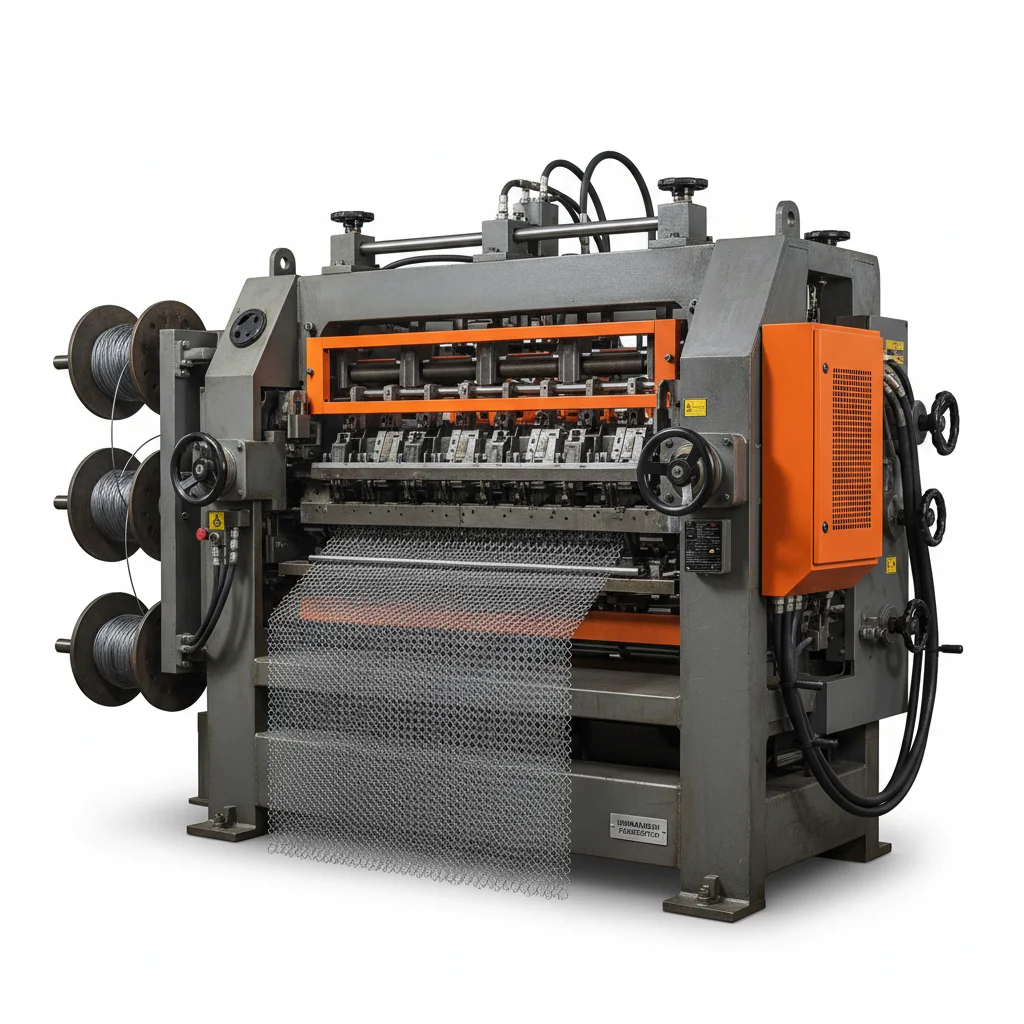
The global demand for rapid deployment solutions, particularly in infrastructure and disaster relief, has surged in recent decades. This is driven by factors like increasing frequency of natural disasters, growing populations in vulnerable areas, and the need for quick and cost-effective construction methods. The apm wire mesh machine plays a crucial role in enabling the production of modular, easily deployable structures, offering a robust and adaptable solution to these challenges.
Industries ranging from construction and agriculture to security and humanitarian aid are increasingly turning to wire mesh-based solutions. These solutions offer a unique blend of strength, lightweight properties, and ease of assembly. The efficiency gains provided by automated manufacturing processes utilizing an apm wire mesh machine are substantial, reducing both labor costs and project timelines.
Understanding the capabilities and applications of the apm wire mesh machine is paramount for professionals across diverse fields. From creating durable shelters in disaster zones to constructing secure perimeter fencing, the versatility of wire mesh presents innovative solutions to a wide range of problems. This article explores the core aspects, applications, and future trends surrounding this vital technology.
The Core Principles of apm Wire Mesh Machine Technology
At its core, an apm wire mesh machine employs a sophisticated process of wire feeding, forming, and welding (or interlocking) to create a continuous mesh structure. This process can be highly automated, utilizing computer numerical control (CNC) technology for precise and repeatable results. The fundamental principle relies on efficiently converting raw wire material into a robust and versatile mesh product.
The efficiency of an apm wire mesh machine is directly tied to factors like wire diameter, mesh aperture (opening size), and production speed. Modern machines often feature adjustable parameters allowing for the creation of diverse mesh specifications to meet varying application requirements. This adaptability is crucial for serving a broad spectrum of industries and needs.
Global Relevance and Industry Impact
The demand for wire mesh products is globally distributed, with significant consumption in developed economies driven by construction, infrastructure projects, and manufacturing. However, rapidly developing nations represent a growing market due to increasing urbanization and investment in infrastructure. The UN estimates that over half the world’s population currently lives in urban areas, increasing the demand for efficient and sustainable building materials.
Industries profoundly impacted by apm wire mesh machine technology include construction (reinforcement, cladding), agriculture (poultry netting, fencing), security (perimeter fencing, anti-climb barriers), and humanitarian aid (shelter construction, disaster relief). The World Bank consistently prioritizes infrastructure development in emerging economies, creating ongoing demand for cost-effective and reliable construction materials.
The ISO standards organization plays a crucial role in defining quality control and material specifications for wire mesh products, ensuring that they meet stringent performance criteria for various applications. Compliance with these standards is essential for manufacturers seeking to compete in the global market and guarantee the durability and safety of their products.
Defining the apm Wire Mesh Machine
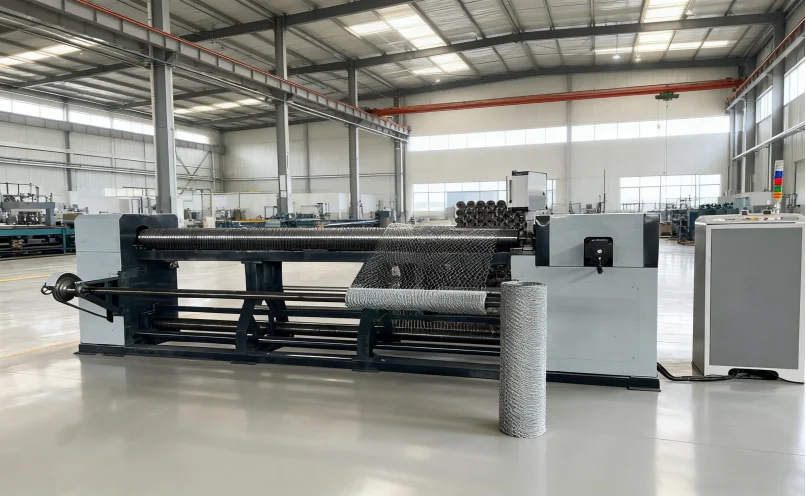
An apm wire mesh machine is an automated system designed to manufacture wire mesh in various patterns, sizes, and materials. It's a critical piece of equipment for producing a versatile material used in countless applications. These machines have evolved significantly over the years, from manual operations to highly sophisticated, computer-controlled systems.
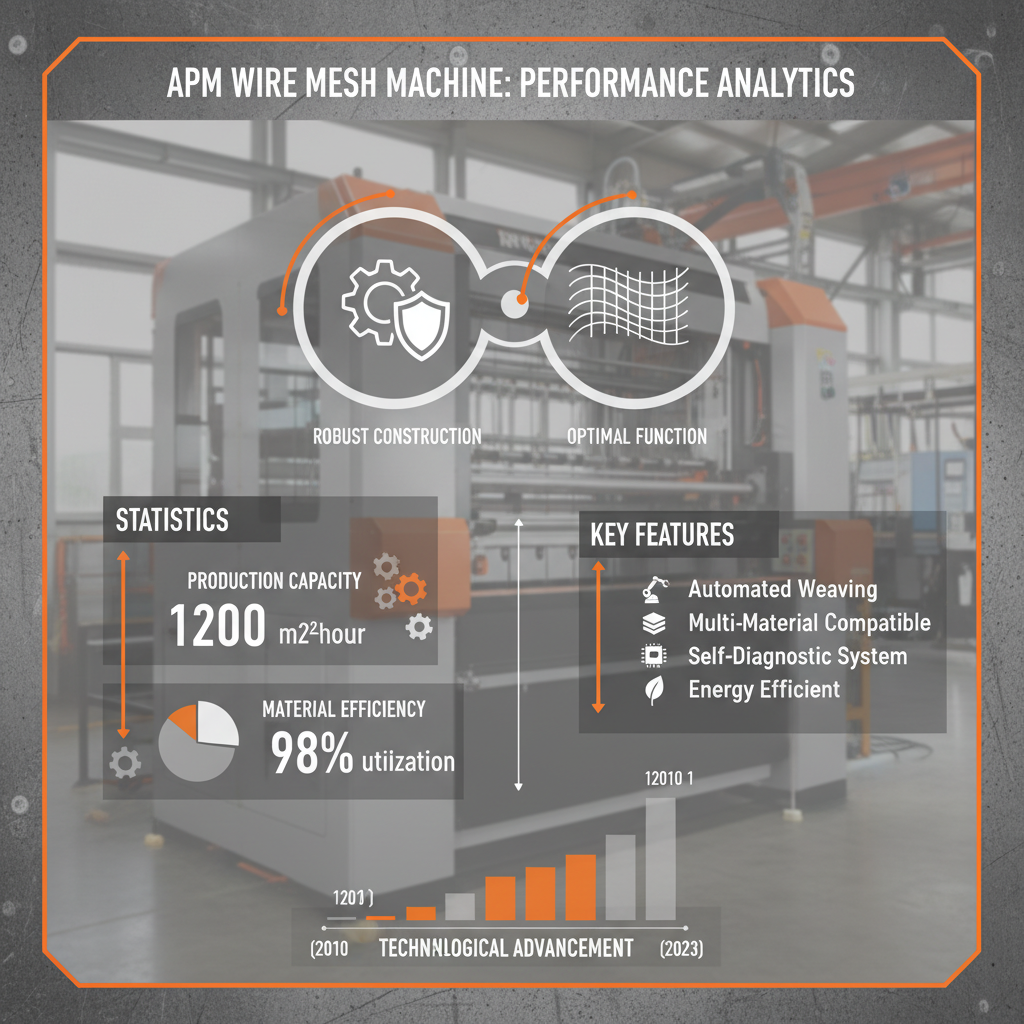
The “apm” designation often refers to advanced process monitoring and optimization capabilities within the machine. This includes features like automatic wire tension control, real-time defect detection, and precise dimensional accuracy. The apm wire mesh machine prioritizes quality control, minimizing waste and maximizing production efficiency.
Its connection to modern industry and humanitarian needs lies in its ability to quickly and cost-effectively produce durable and adaptable materials. In the construction sector, it provides reinforcement for concrete structures. In disaster relief, it provides the foundation for rapid deployment shelters. Its versatility makes it an indispensable tool in a wide range of contexts.
Key Factors of apm Wire Mesh Machine Performance
The performance of an apm wire mesh machine is dictated by several core factors. First, Production Speed directly impacts output capacity and overall efficiency, particularly in high-volume applications. Second, Material Compatibility – the ability to process different wire types (steel, stainless steel, aluminum) – broadens the machine's versatility.
Another crucial aspect is Dimensional Accuracy which ensures the mesh meets precise specifications, vital for construction and engineering applications. Durability and Reliability contribute to reduced downtime and maintenance costs, maximizing long-term productivity. Finally, Automation Level – the extent to which the machine operates without manual intervention – improves consistency and lowers labor expenses.
apm Wire Mesh Machine Performance Metrics
Real-World Applications of apm Wire Mesh Machine
The apm wire mesh machine is indispensable in diverse applications. In construction, it's used for reinforcing concrete, creating prefabricated wall panels, and manufacturing cladding systems, enhancing structural integrity and reducing construction time.
In agriculture, wire mesh finds uses in poultry fencing, crop protection netting, and vineyard trellising, safeguarding harvests and improving yields. In post-disaster relief operations, rapid deployment shelters built using wire mesh frameworks provide immediate housing for affected populations. In remote industrial zones, secure perimeter fencing fabricated from wire mesh ensures facility protection.
The Advantages and Long-Term Value Proposition
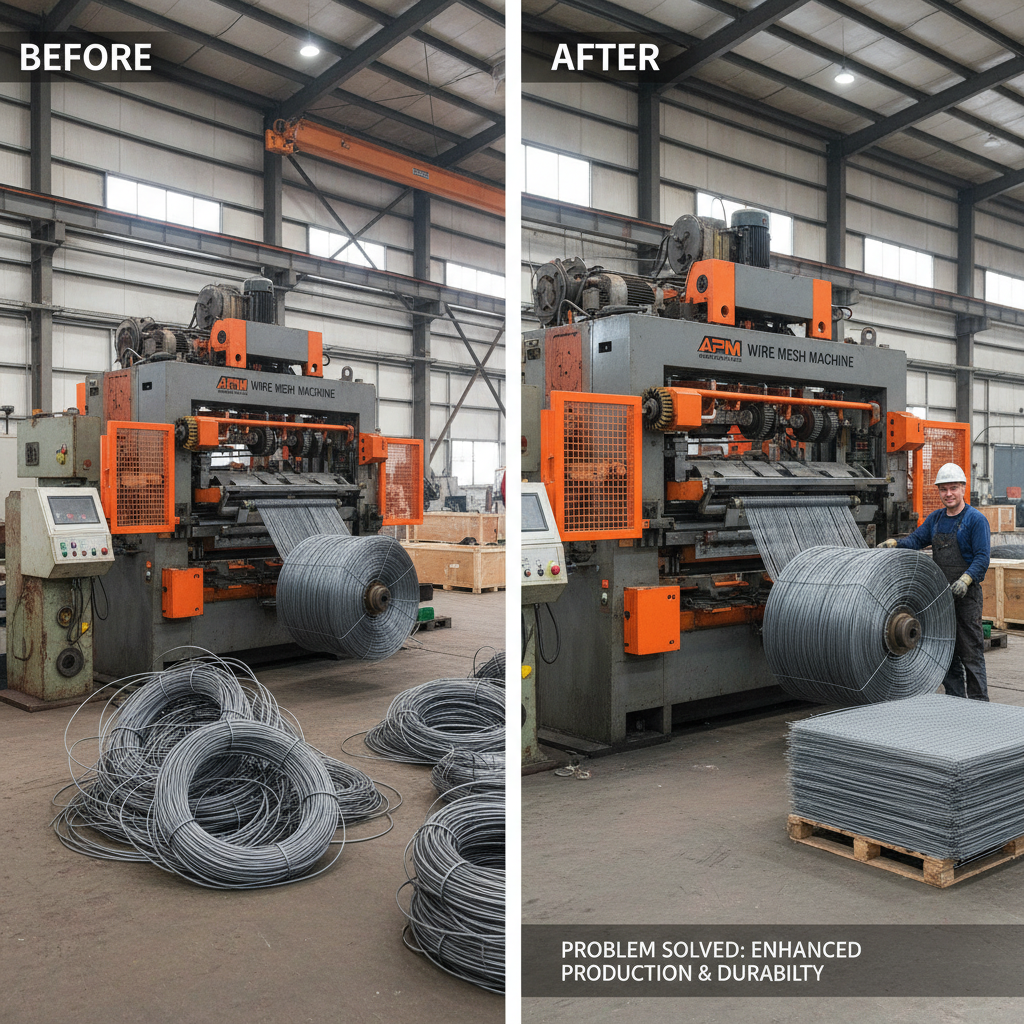
The tangible benefits of using an apm wire mesh machine are significant: reduced production costs due to automation, improved material utilization minimizing waste, and increased production speed leading to faster turnaround times. Moreover, the durability and longevity of wire mesh products contribute to long-term cost savings.
Beyond the economic advantages, the technology fosters sustainability by utilizing recyclable materials and promoting efficient construction practices. It also provides a reliable and dignified housing solution in emergency situations, enhancing safety and resilience within affected communities. The innovative capabilities of the apm wire mesh machine build trust and confidence amongst clients and stakeholders.
Future Trends and Innovations in apm Wire Mesh Machine Technology
Future trends in apm wire mesh machine technology will likely center around increased automation and integration with digital technologies. The implementation of artificial intelligence (AI) for real-time process optimization and predictive maintenance will enhance efficiency and reduce downtime.
Furthermore, research into new materials, such as bio-based polymers and lightweight alloys, will expand the range of applications for wire mesh. Sustainability concerns will drive the development of energy-efficient machine designs and closed-loop manufacturing processes, minimizing environmental impact. The convergence of digital transformation and automated machinery will refine the apm wire mesh machine.
The integration of renewable energy sources into the manufacturing process, such as solar power, will reduce the carbon footprint and enhance the overall sustainability of wire mesh production.
FAQS
An apm wire mesh machine provides significantly higher production speeds, improved consistency in mesh quality, reduced labor costs through automation, and greater flexibility in producing different mesh specifications. Traditional methods often rely on manual labor, leading to lower output and potential inconsistencies. APM machines also minimize material waste through precise control and optimization.
Most apm wire mesh machines are versatile and can handle a wide range of wire materials, including carbon steel, stainless steel (various grades), galvanized steel, aluminum, and even some specialized alloys. The specific material compatibility will depend on the machine’s configuration and tooling. It's crucial to verify the machine’s capabilities with the manufacturer when considering processing a specific wire type.
Automation significantly reduces labor costs, which are often a substantial component of traditional mesh manufacturing. The increased production speed and reduced material waste contribute to lower per-unit costs. Furthermore, the improved consistency and quality reduce the likelihood of defective products, minimizing rework and scrap. Overall, automation drives down total production expenses.
Regular maintenance typically includes lubrication of moving parts, inspection and replacement of wear components (e.g., cutting tools, welding electrodes), cleaning of the machine, and calibration of sensors and control systems. Preventative maintenance schedules recommended by the manufacturer should be followed to minimize downtime and ensure optimal performance.
Modern apm wire mesh machines include numerous safety features, such as emergency stop buttons, safety guards and interlocks to prevent access to moving parts, overload protection systems, and automatic shut-off mechanisms. Operators should receive thorough training on safe operating procedures and adhere to all safety guidelines provided by the manufacturer.
Consider factors like the required production volume, the types of wire materials you'll be processing, the desired mesh specifications (aperture size, wire diameter), the available floor space, and your budget. Consult with manufacturers to discuss your needs and obtain recommendations based on your specific application. Request sample mesh production to evaluate the machine’s capabilities.
Conclusion
In conclusion, the apm wire mesh machine represents a critical advancement in materials processing, providing an efficient, reliable, and versatile solution for a wide range of industries and applications. From construction and agriculture to disaster relief and security, this technology is revolutionizing how wire mesh products are manufactured and utilized. Its benefits extend beyond cost savings, encompassing sustainability, safety, and enhanced product quality.
Looking ahead, continued innovation in automation, materials science, and digital integration will further enhance the capabilities of apm wire mesh machines. Embracing these advancements will be essential for manufacturers seeking to remain competitive in the global market and meet the evolving demands of a rapidly changing world. To learn more about how an apm wire mesh machine can benefit your organization, visit our website: www.htmeshmachines.com