Hit enter to search or ESC to close
Look, I’ve been running around construction sites for fifteen years, and honestly, the biggest thing I’m seeing lately is everyone chasing “smart.” Smart this, smart that. But you know what’s actually smart? Reliability. I’m talking about wire drawing machines – because if those aren't running, nothing else moves. And let me tell you, the demand for better, more durable wire drawing machine suppliers is through the roof. Everyone wants higher tensile strength wire, tighter tolerances, and, of course, faster production. It's a good problem to have, but it adds pressure.
To be honest, a lot of these new designs look great on paper, but fall apart the second you get dust and grime on them. I saw a machine last year with a fancy touchscreen interface… lasted about a week before someone spilled coffee on it. You quickly realize that simplicity and robustness are king. And it's not just about the machines themselves; it’s about finding wire drawing machine suppliers who understand the real-world conditions these things operate in.
The whole industry is changing. More automation, more precision… but at the end of the day, it's still a mechanical process. And that’s where experience really matters.
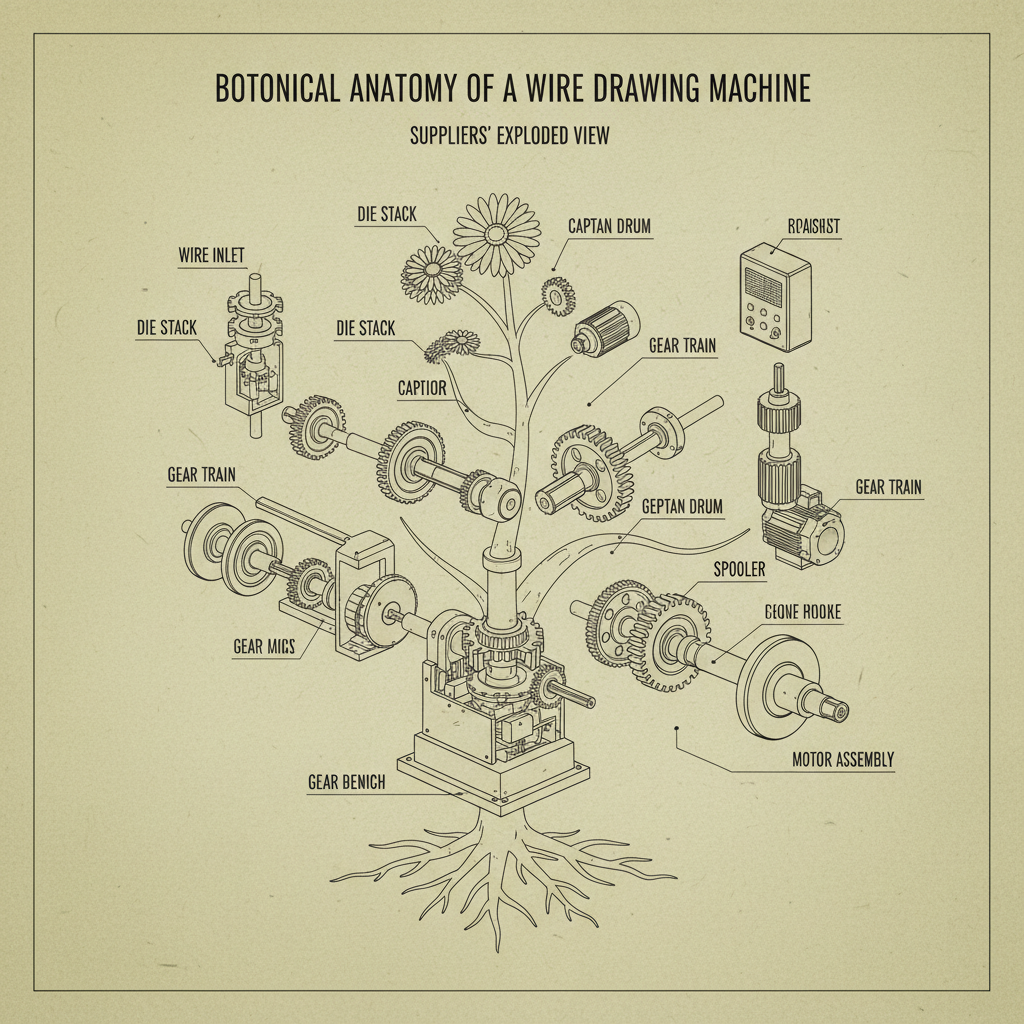
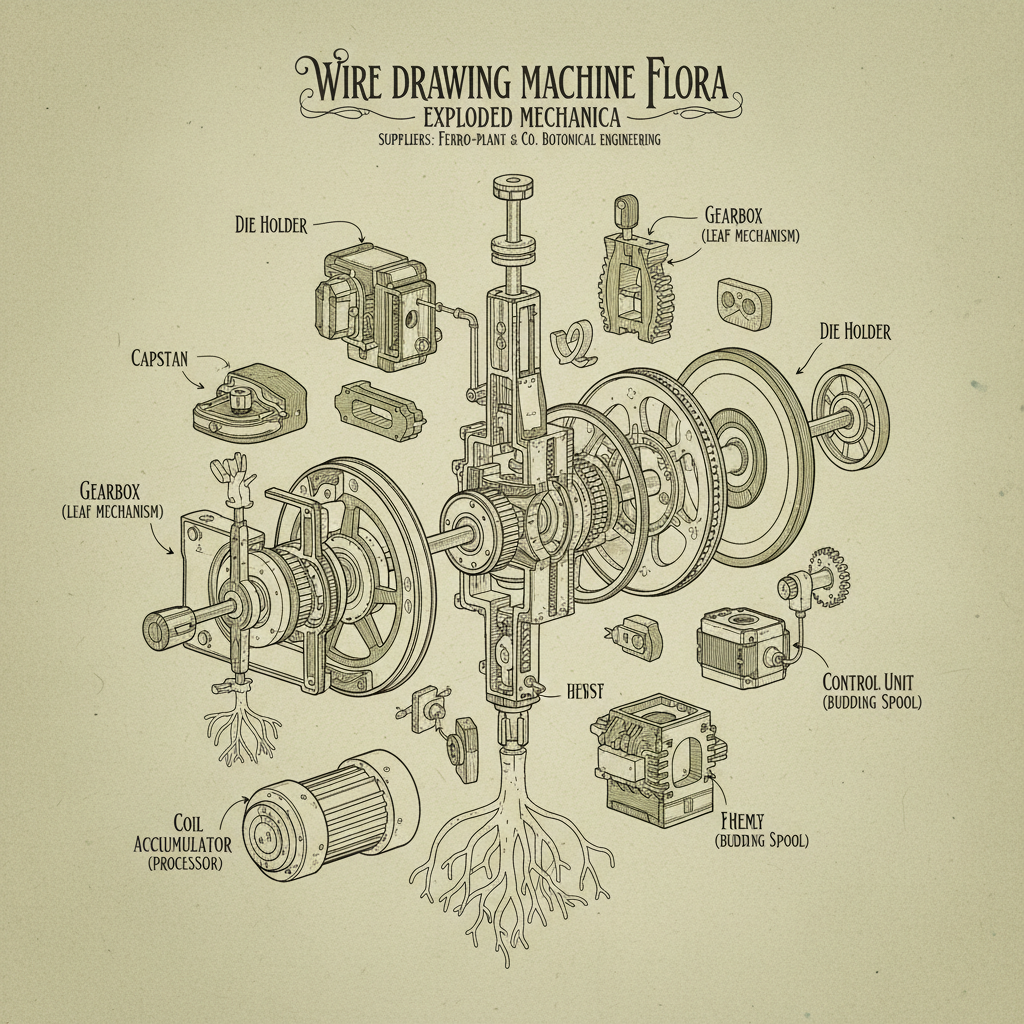
Have you noticed how many new players are popping up, especially from overseas? It's a mixed bag. Some are genuinely innovative, but a lot are just… copy-paste jobs. You really need to vet these wire drawing machine suppliers thoroughly. I mean, really dig into their quality control and after-sales service. It’s not enough to just have a shiny brochure.
The established companies, the ones that have been around for decades, they’ve earned their reputation. They understand the nuances of different wire materials, the demands of various industries, and the importance of building a machine that lasts. But even they are feeling the pressure to innovate.
Lead times vary significantly depending on the complexity of the design and the current workload of the wire drawing machine suppliers. Generally, you're looking at anywhere from 8 to 16 weeks for a fully custom build. However, if you're just making minor modifications to an existing model, it could be as little as 4-6 weeks. It’s always best to discuss your specific requirements with the supplier upfront to get an accurate timeline.
Compatibility depends on the wire's diameter, tensile strength, and surface finish. The wire drawing machine suppliers should ask for a sample of your wire for testing. They’ll analyze its properties and recommend the appropriate die materials, drawing speeds, and lubrication systems. Don't be afraid to push them on this – it's crucial for avoiding problems down the line.
Regular maintenance is key. This includes daily lubrication, periodic die inspection and replacement, cooling system checks, and motor maintenance. Most suppliers offer comprehensive maintenance schedules and training for your operators. Ignoring maintenance will lead to costly downtime and reduced wire quality.
Essential safety features include emergency stop buttons, safety guards around moving parts, and overload protection systems. The machine should also be grounded properly. Always prioritize safety training for your operators. You need to make sure they understand the risks and know how to respond in an emergency situation.
Increasingly, wire drawing machine suppliers are offering remote diagnostics and support. This allows them to troubleshoot problems quickly and efficiently, even if they're not physically on-site. It’s a huge time-saver and can significantly reduce downtime.
Die material selection depends on the wire material, drawing speed, and desired wire quality. Tungsten carbide is versatile and cost-effective, but diamond dies offer superior wear resistance for demanding applications. Polycrystalline diamond (PCD) is gaining popularity for its combination of hardness and toughness. Your wire drawing machine suppliers should be able to guide you on the best choice for your specific needs.
So, at the end of the day, choosing the right wire drawing machine isn’t just about specs and features. It’s about finding a reliable partner, someone who understands your needs and can provide ongoing support. It’s about balancing innovation with practicality, and prioritizing durability over flashy gimmicks. A lot of folks get caught up in the numbers, but the real test is how the machine performs day in and day out, under real-world conditions.
Ultimately, whether this thing works or not, the worker will know the moment he tightens the screw. If it’s smooth, if the wire feeds easily, if the tension is right... that’s when you know you’ve got a good machine. And, if you're looking for a solid wire drawing machine suppliers, give those guys a call, they know their stuff.