Hit enter to search or ESC to close
9 February 2026
Salmon farming is a rapidly growing industry, vital for meeting global seafood demands. A crucial component of successful and sustainable salmon farming is the use of effective salmon net pens. These pens, typically constructed with durable mesh netting, protect the salmon from predators, control their movement, and facilitate efficient harvesting. This article will explore the challenges faced in salmon aquaculture, the importance of high-quality netting, and how HT Mesh Machines provides innovative mesh solutions for the industry. We'll cover materials, construction, and the benefits of choosing a reliable supplier.
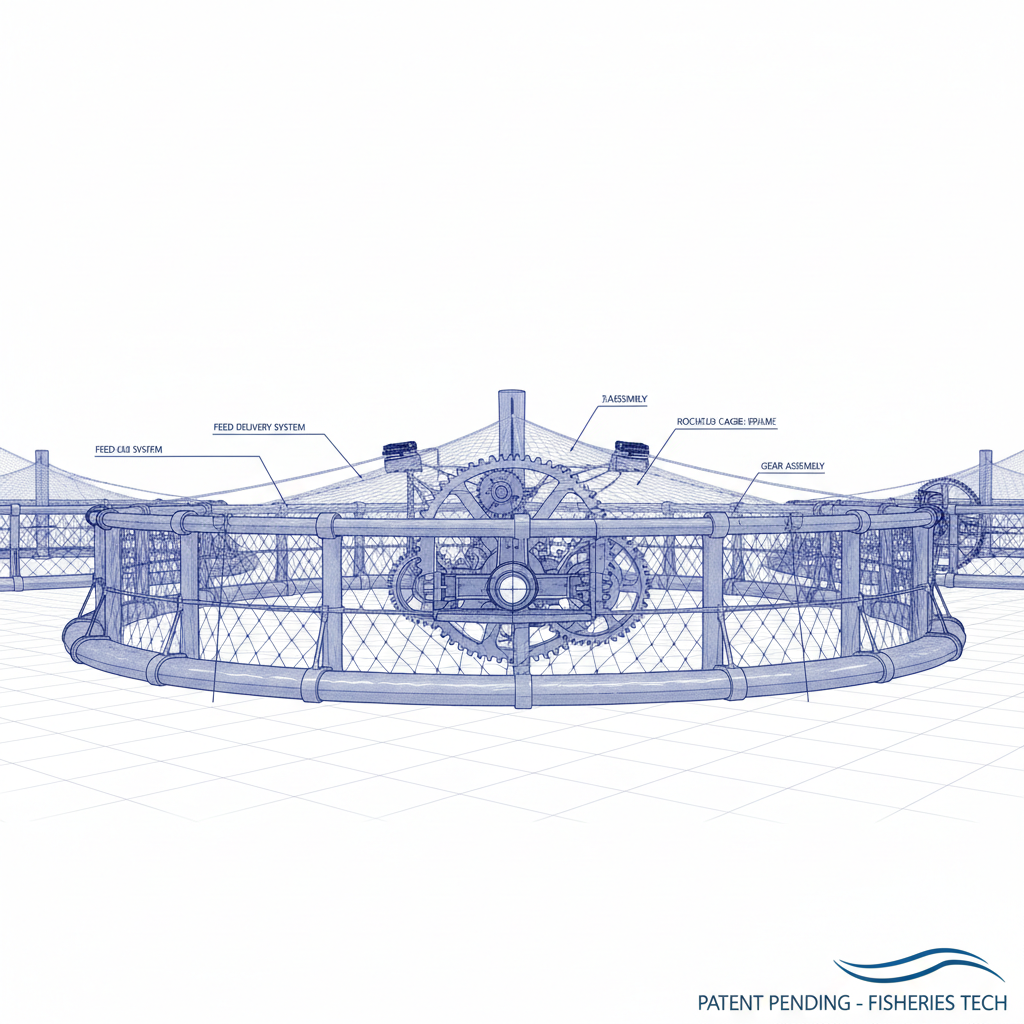
Salmon farming faces several challenges, including predator attacks (seals, sea lions, birds), biofouling (the accumulation of marine organisms on the netting), and the risk of disease outbreaks. The netting used in salmon net pens must withstand these conditions to ensure the health and safety of the salmon stock. Furthermore, the pens need to be strong enough to endure harsh weather conditions like strong currents and storms. Selecting the right mesh material and construction is paramount to minimizing these risks and maximizing yield.
Key Considerations: Netting must resist tearing, abrasion, and UV degradation. It also needs to minimize biofouling and maintain water flow.
Traditionally, nylon was the dominant material for salmon net pens. However, advancements in materials science have led to the increased adoption of High-Density Polyethylene (HDPE). HDPE offers superior abrasion resistance, lower water absorption, and better resistance to biofouling compared to nylon. The choice of material also impacts the environmental footprint, with HDPE being a more recyclable option. HT Mesh Machines specializes in creating netting from both nylon and HDPE, tailored to specific client needs.
Material Comparison:
• Nylon: Cost-effective, good tensile strength, susceptible to abrasion and biofouling.
• HDPE: Excellent abrasion resistance, low water absorption, resistant to biofouling, more environmentally friendly.
• Dyneeema: Ultra-high molecular weight polyethylene. Exceptional strength to weight ratio, very expensive.
Understanding the differences between HDPE and nylon is crucial for making informed decisions about your salmon net pens. While nylon has been the traditional choice due to its lower initial cost, HDPE offers long-term benefits that often outweigh the higher upfront investment. Here's a detailed comparison:
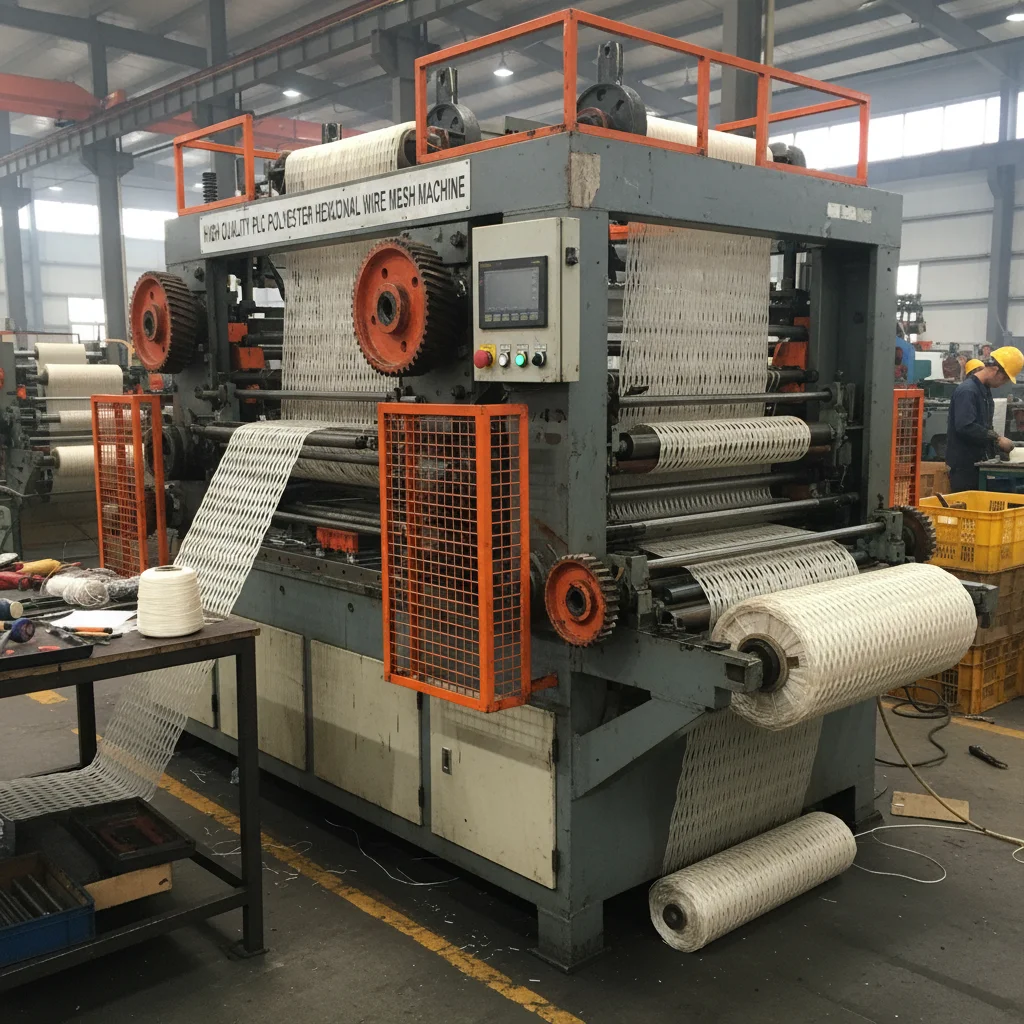
HT Mesh Machines provides custom-designed mesh netting solutions for salmon farmers worldwide. We offer a wide range of mesh sizes, strengths, and materials to meet the specific requirements of your operation. Our advanced manufacturing capabilities ensure consistent quality and durability. We understand the challenges of salmon aquaculture and are committed to providing innovative solutions that improve efficiency and sustainability. From initial consultation to final delivery, we offer comprehensive support to ensure your satisfaction.
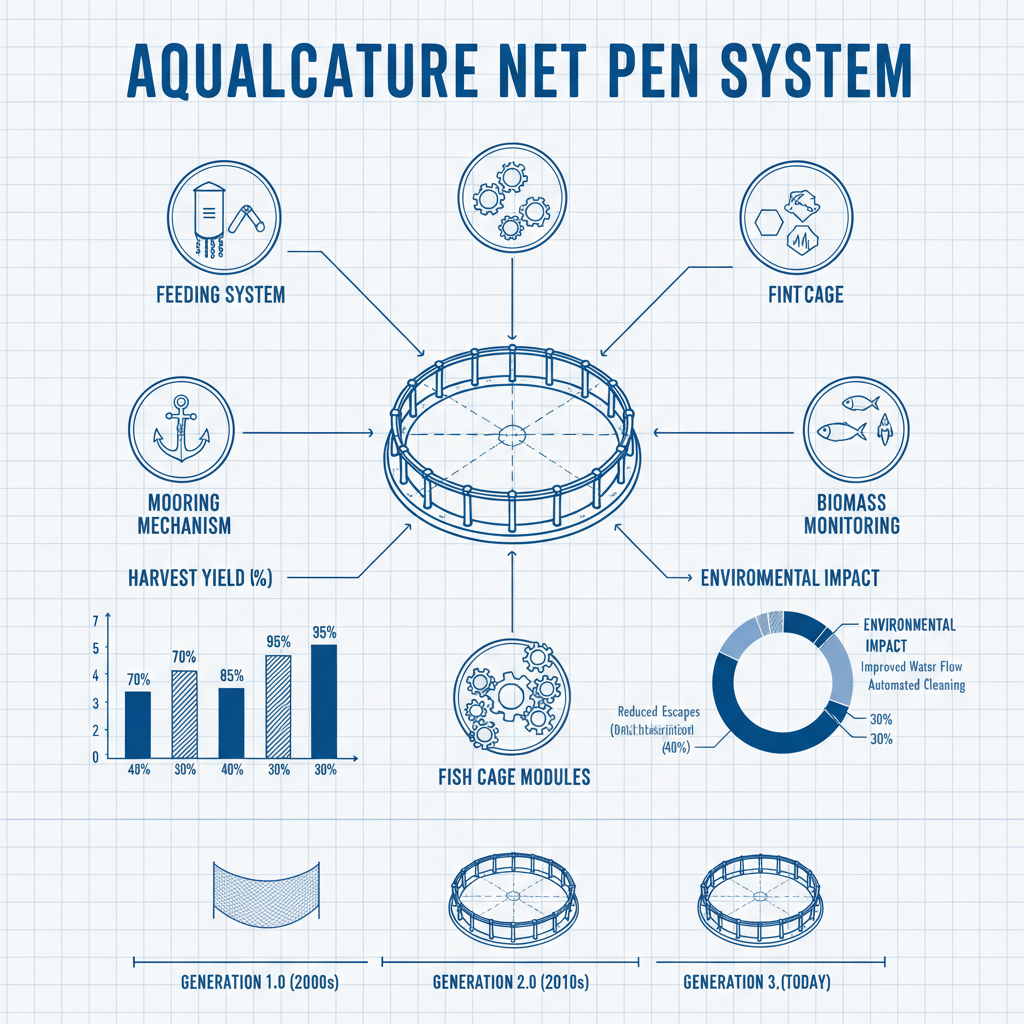
We offer a variety of customization options for our salmon net pens, including mesh size, twine thickness, and pen dimensions. Here's a glimpse of our standard specifications:
Choosing the right mesh for your salmon net pens is a critical investment in the long-term success of your aquaculture operation. HT Mesh Machines offers durable, customizable, and sustainable solutions to meet your specific needs. Contact us today to discuss your project and discover how we can help you optimize your salmon farming operation.
The lifespan of HDPE netting in salmon pens generally ranges from 5 to 7 years, depending on environmental conditions, water quality, and the level of maintenance. HDPE's superior resistance to abrasion and UV degradation contributes to its longevity compared to nylon netting. Regular inspection for wear and tear is recommended, and timely replacement ensures the continued health and security of your salmon stock. Factors like heavy biofouling or exposure to harsh chemicals can shorten the lifespan. Proper cleaning and preventative maintenance are key to maximizing the netting's durability.
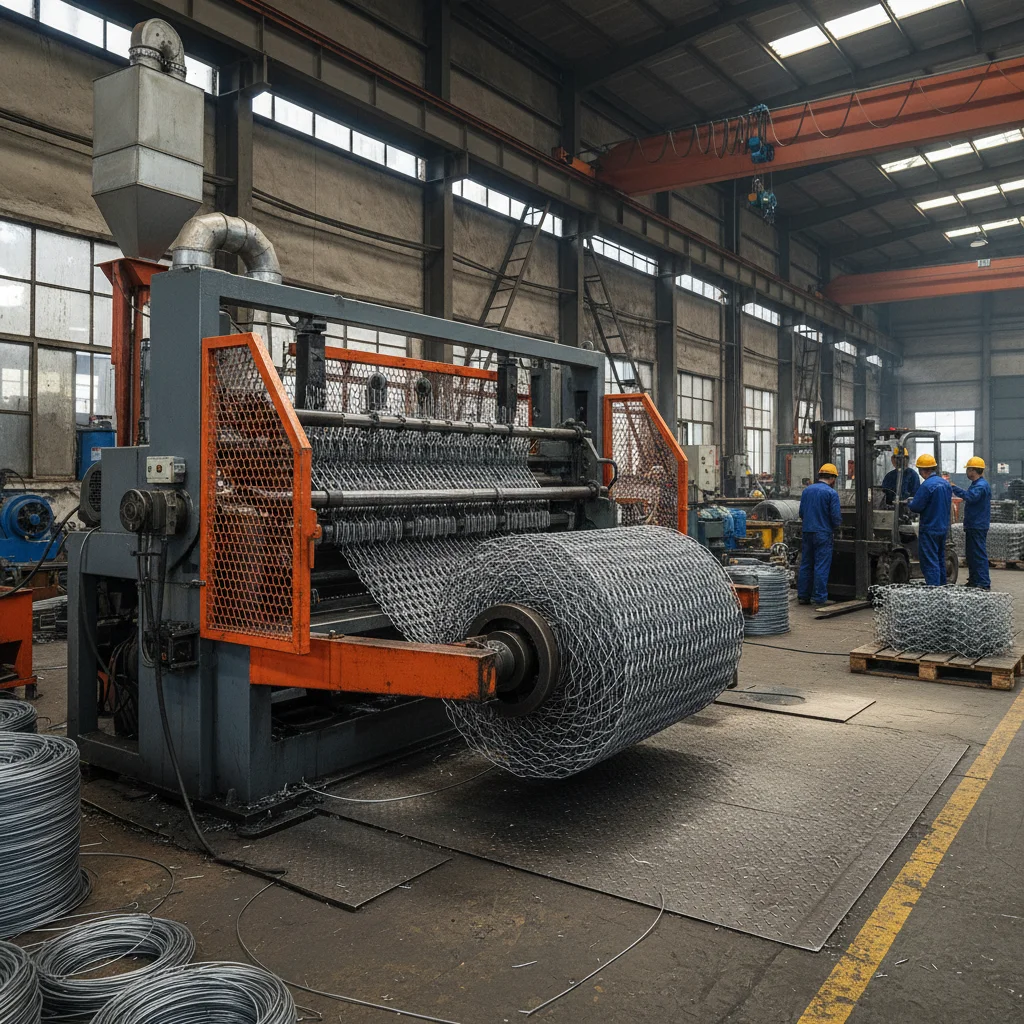
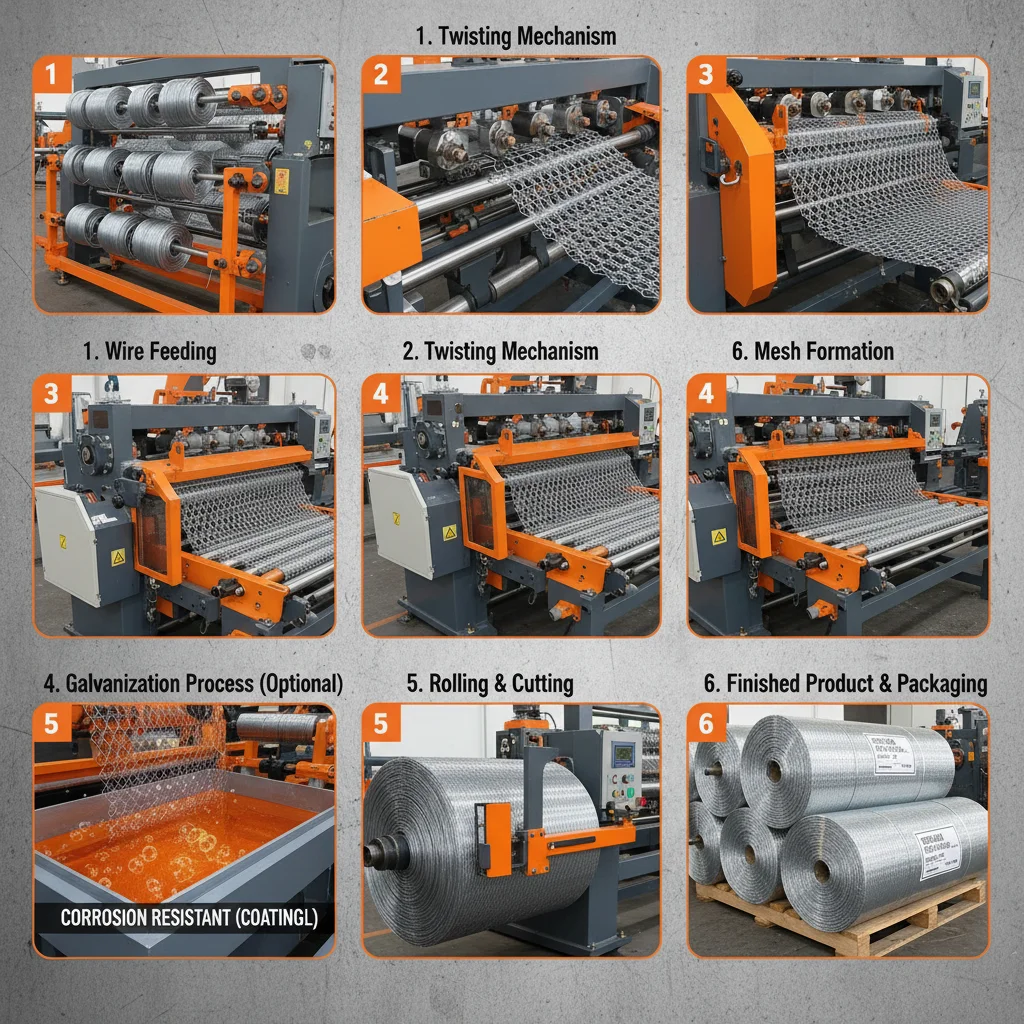
HT Mesh Machines employs rigorous quality control measures throughout the manufacturing process. We use high-quality raw materials and advanced knitting technology to ensure consistent mesh size, strength, and durability. Each batch of netting undergoes thorough testing for tensile strength, UV resistance, and abrasion resistance. We adhere to industry standards and are committed to delivering products that meet or exceed customer expectations. Our experienced team carefully inspects every roll of netting before shipment.
Yes, HT Mesh Machines specializes in creating custom mesh sizes to accommodate a wide range of pen designs and specifications. We work closely with our clients to understand their unique requirements and deliver tailored solutions. Our flexible manufacturing capabilities allow us to produce netting with precise mesh openings, ensuring optimal salmon containment and water flow. We can accommodate both small and large orders.
HDPE netting is a more sustainable option compared to nylon due to its recyclability. It also requires less energy to produce and has a lower carbon footprint. Furthermore, its resistance to biofouling reduces the need for chemical treatments, minimizing environmental impact. HT Mesh Machines is committed to promoting environmentally responsible practices in aquaculture.